Luang Prabang to Vang Vieng: Train, Bus & Travel Tips
By the Travel Laos team · 22 November 2026 · 7 min read · Updated 24 November 2026
In this post
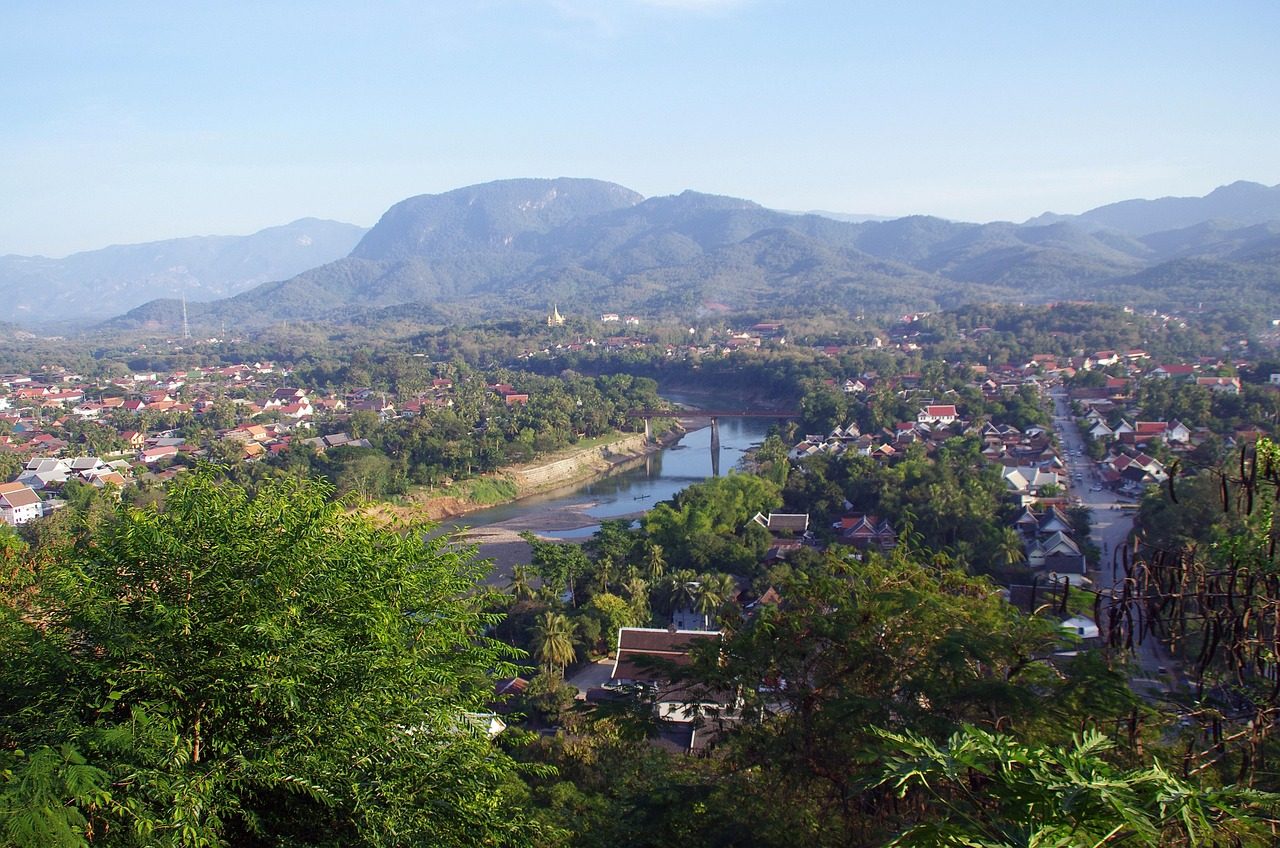
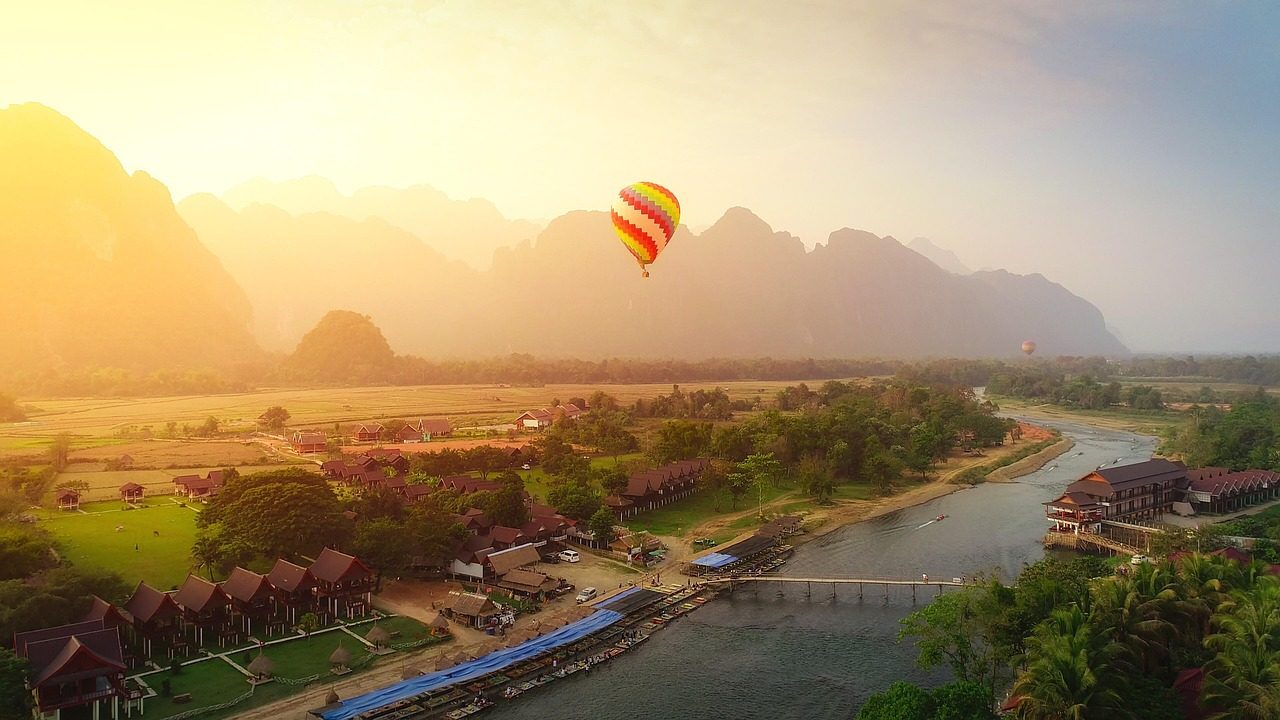
Photo: mythliu · Pixabay Content License · via Pixabay
The road between Luang Prabang and Vang Vieng used to be one of Laos's most scenic — and most exhausting. Five or six hours on a winding mountain highway, hairpin bends, the occasional landslide in the green season. Then the Laos-China Railway opened, and the same journey shrank to under an hour. That change transformed how travellers move through northern Laos.
Here is what you need before you book: which option fits your itinerary, how the train actually works, what Vang Vieng looks like today, and whether a quieter stop along the way might suit you better.
---
By Train: The Fast Option
The Laos-China Railway connects Luang Prabang (Luang Prabang Station, known locally as Khoun Kham) with Vang Vieng in roughly 50 minutes — by far the fastest option. For more background on the line itself, the Laos China Railway guide covers the full route, booking process and what to expect on board.
A few things worth knowing before you go:
- The stations are outside the town centres. Luang Prabang Station sits about 8–10 km from the Old Town. Vang Vieng Station is similarly positioned away from the main strip. Budget time and cost for a tuk-tuk or songthaew at both ends.
- Tickets sell out. The trains are popular and daily departures are limited. Book ahead — several days at minimum during the dry season (November to February). The official Lao Railways website sells tickets directly; several third-party booking platforms also cover the route.
- Seat classes. There are two classes: second class (standard seats, air-conditioned) and first class (wider seats, more space). Both are comfortable by regional standards. The journey is short enough that class matters less than having a confirmed seat.
- Luggage. Overhead racks are smaller than on European trains. Arrive early if you are travelling with large bags, and check current luggage policies before you go.
Fares change periodically — check the current price when you book.
---
 Related readBangkok to Vientiane by Train: The Complete 2026 Route
By Bus or Minivan: The Scenic Option
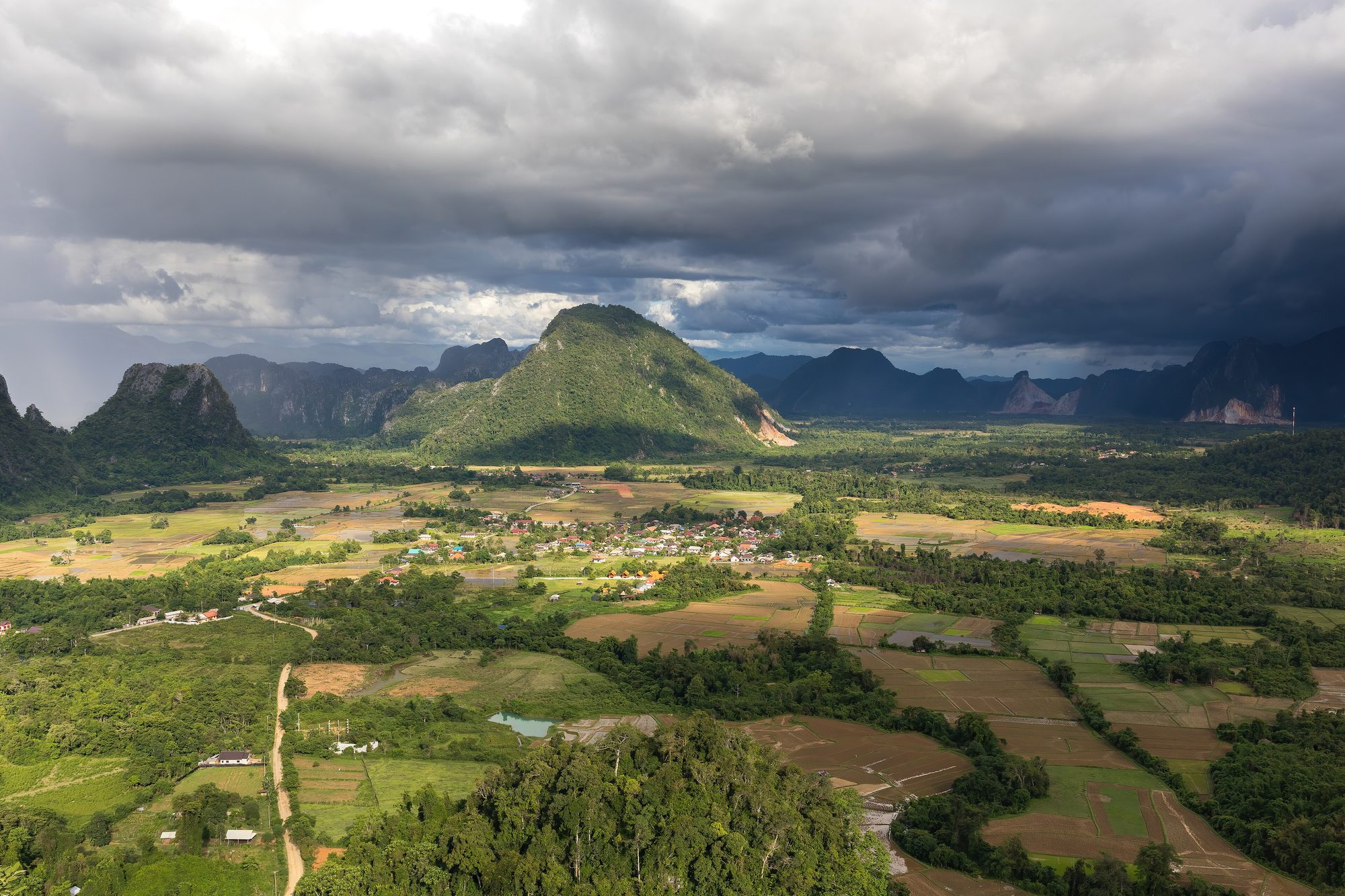
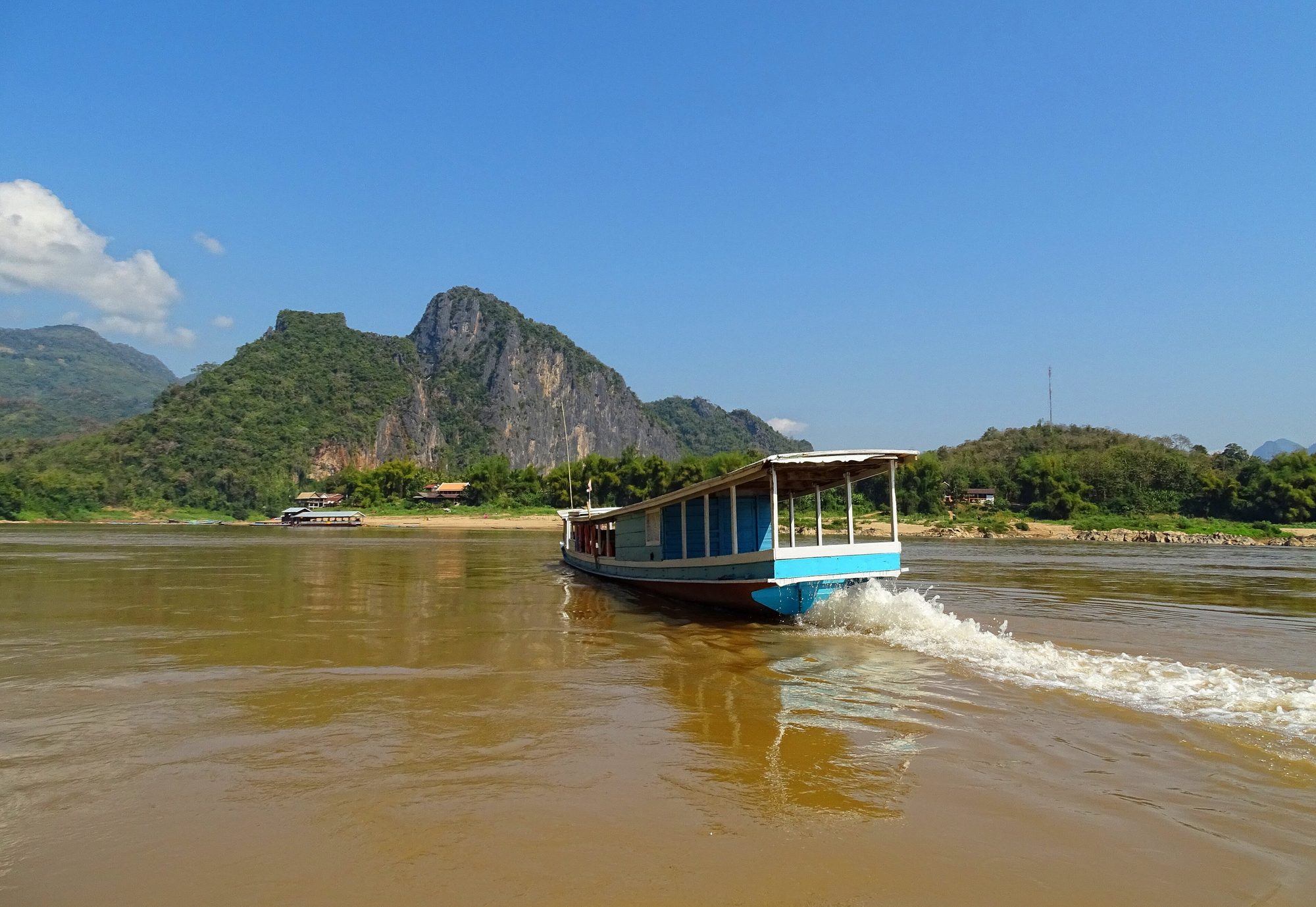
The bus has held on for one good reason: the views. The old Route 13 and the newer expressway sections cut through some of the most dramatic karst landscape in Southeast Asia — jagged limestone hills, narrow river valleys, the occasional village market at the roadside.
A tourist minivan takes roughly 3.5 to 5 hours depending on road conditions, the season and how many stops the driver makes. The public bus takes longer. During the green season (May to October), heavy rain can slow things further and, rarely, close sections of road.
The bus also costs less. For travellers on a tight budget or those who want to watch the landscape unfold at ground level, it remains a reasonable choice.
| Train | Bus / Minivan | |
|---|---|---|
| Journey time | ~50 minutes | 3.5–5 hours |
| Scenery en route | Limited (tunnel sections) | Karst mountains, valleys |
| Cost | Higher | Lower |
| Booking | Book ahead, especially Nov–Feb | Available day-of at most guesthouses |
| Station location | Outside both town centres | Central drop-off in most cases |
| Green season impact | Minimal | Can be slower; occasional road closures |
---
Vang Vieng Today
Vang Vieng earned a complicated reputation in the early 2000s as a party destination. That era has changed substantially.
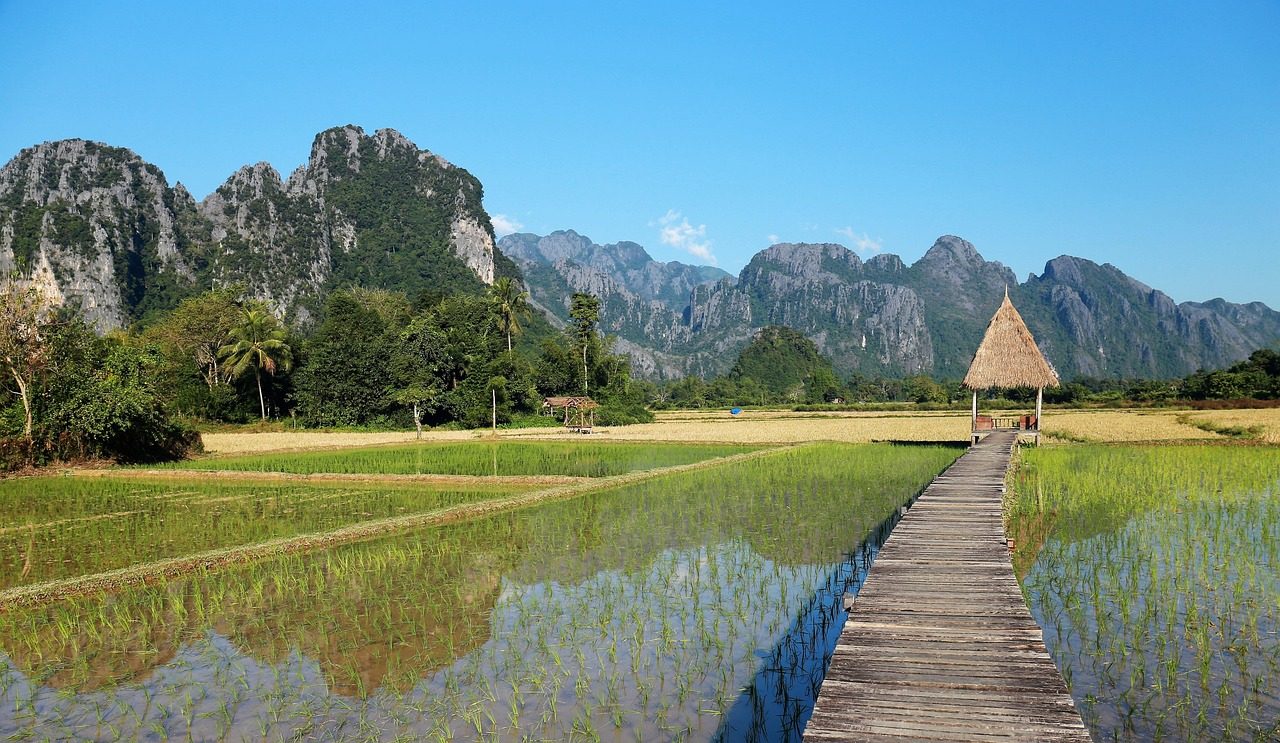
The town has two distinct sides. The main strip along the river still has bars, tubing rentals and a younger backpacker crowd. But step back from that strip and you find karst mountains on every side, the Nam Song River running clear through a valley of rice paddies, and activities that have nothing to do with a bucket of cocktails.
What draws people now:
- Hot air balloon flights over the karst at dawn (check locally for current operators and seasonal availability)
- Kayaking and tubing on the Nam Song — calmer sections are suitable for families
- Cycling through the rice fields to the Blue Lagoon cave systems
- Climbing and trekking in the surrounding hills
- The quiet village of Ban Sabai across the river, reached by bamboo bridge
Two full days covers the main sights comfortably. Three gives you time to slow down, rent a bicycle and explore further.
---
The Vientiane Connection
Many travellers combine this route with a stop in Vientiane. The capital sits a further 90 minutes south of Vang Vieng by train, making it easy to continue on the same line. The booking process and station logistics are identical.
If you are routing Luang Prabang → Vang Vieng → Vientiane (or the reverse), the train handles all three legs. The Lao capital is quieter than most Southeast Asian capitals — worth a day or two for Patuxai, the morning market and Wat Si Saket. For more on the southern leg, the Vientiane to Luang Prabang train guide covers schedules, tickets and the full journey in both directions.
For official travel information about entry requirements and current conditions, Tourism Laos maintains up-to-date guidance, and your government's travel advisory (such as UK Foreign Travel Advice) covers safety and entry.
---
If You Are Based Near Luang Prabang
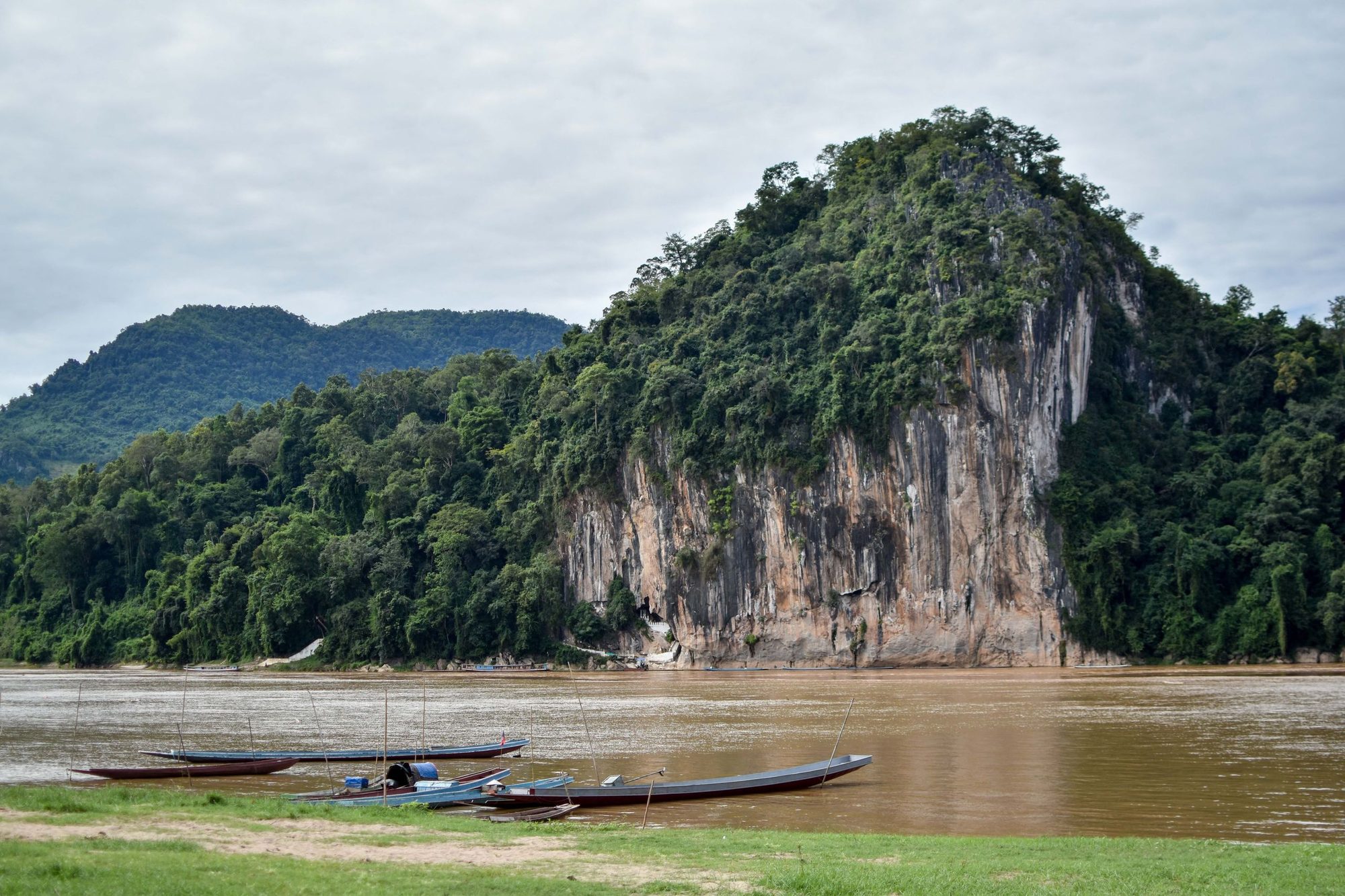
A note for travellers staying outside the Old Town — including those along the Nam Khan River. Getting to Luang Prabang Station is a separate leg: a tuk-tuk or arranged transfer of 20 to 30 minutes depending on where you are staying. Do not cut it close, especially on the first morning train.
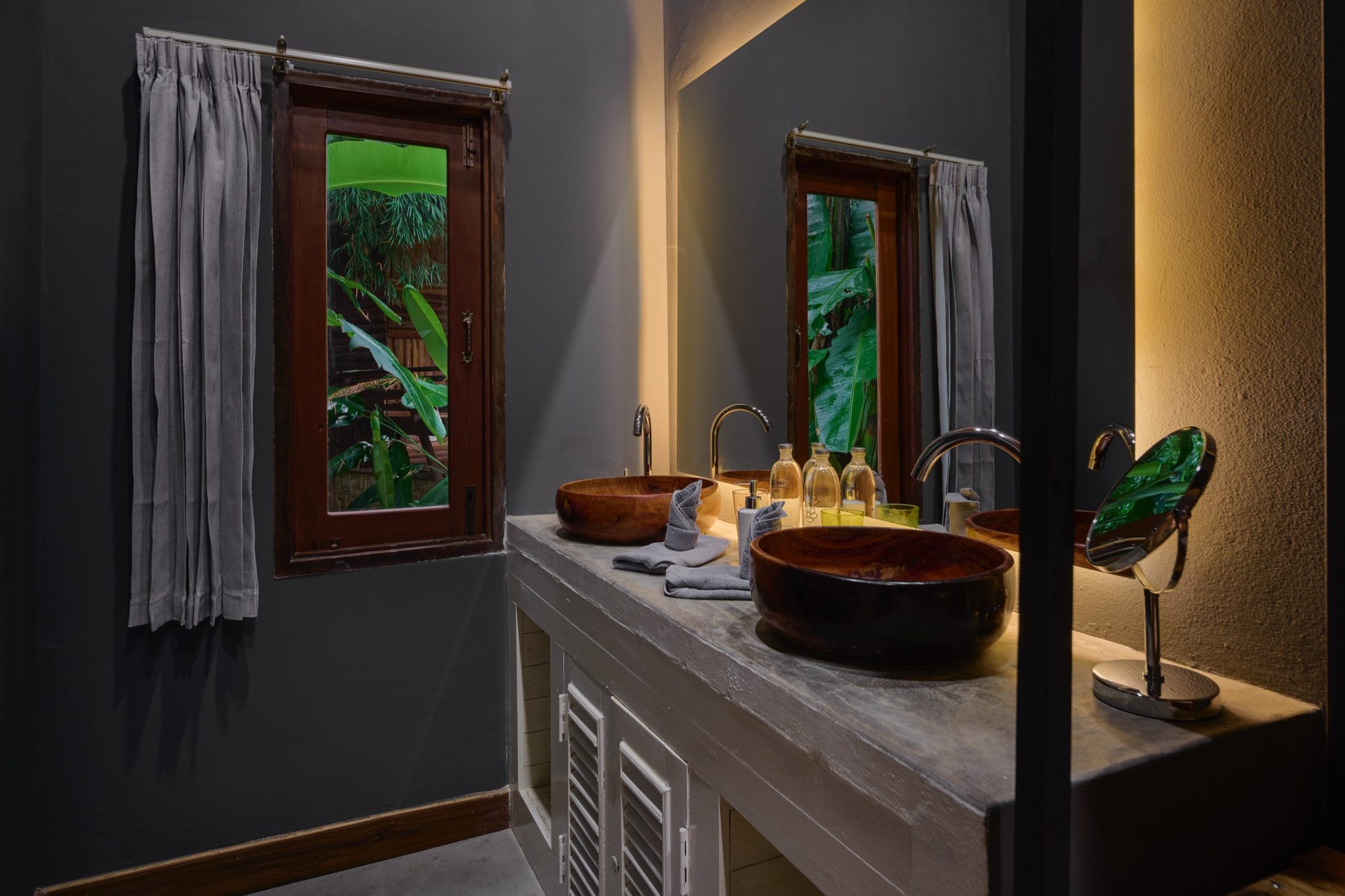
If you are returning to Luang Prabang after Vang Vieng, many people find that arriving back into the calm of the river valley is a welcome change. A slow afternoon by the water, a spa treatment, a farm lunch — it makes for a better last day than a rushed evening in town.
---
Questions
How long does the train from Luang Prabang to Vang Vieng take?
Around 50 minutes between the two stations. Add 20–30 minutes at each end for the tuk-tuk transfer into town, so the full door-to-door journey is closer to two hours.
Is Vang Vieng still a party town?
It has changed considerably since its early-2000s reputation. The riverside strip retains a lively atmosphere, but most visitors now come for kayaking, caving, cycling and hot air ballooning. Staying on the western bank of the Nam Song is quieter.
How many days do you need in Vang Vieng?
Two full days covers the main sights. Three days lets you slow down, rent a bicycle and explore the karst without rushing. For outdoor adventure rather than nightlife, three days is not excessive.
Can I continue from Vang Vieng to Vientiane by train?
Yes. Vientiane Station is roughly 90 minutes south of Vang Vieng on the same Laos-China Railway line, and the same booking process applies — making the full Luang Prabang to Vientiane route straightforward by rail.